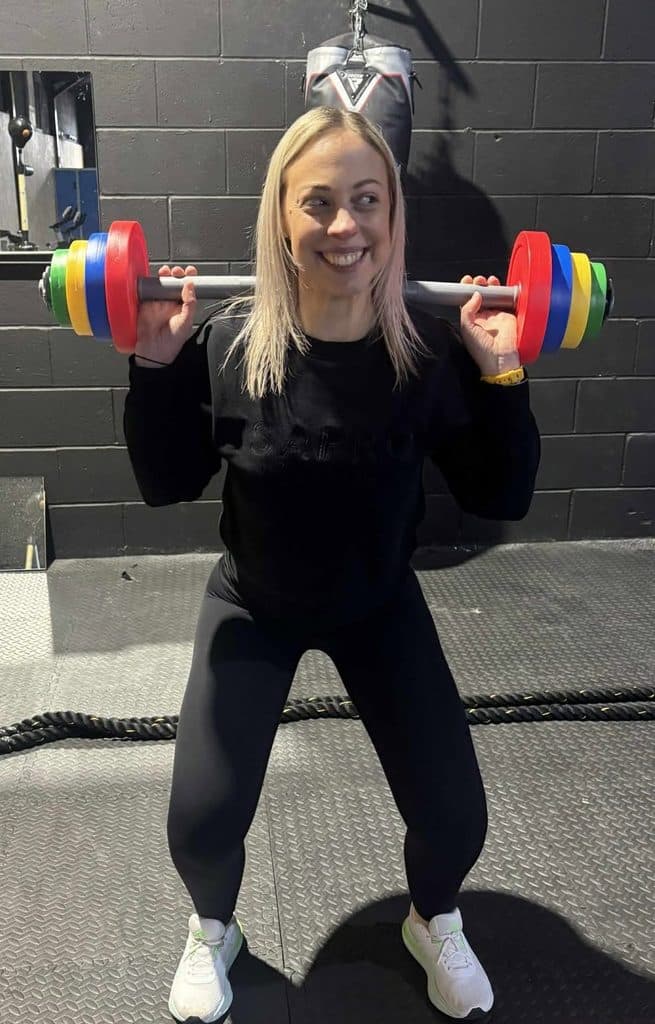

Danielle Pepper, a health and wellbeing coach, writes for us on why looking after ourselves can feel overwhelming, and how we can make wellbeing more manageable. As a qualified personal trainer and founder of DLP Fitness, she is passionate about helping people build confidence, develop sustainable habits and improve their overall wellbeing without the pressure of perfection. Her approach combines movement, nutrition guidance and behaviour change, recognising that lasting improvements come from finding realistic, flexible ways to support our physical and emotional health. She asks us, are we actually feeling better from our wellness routine, or are we just doing more?
Somewhere between the advice to exercise regularly, eat well, get enough sleep, manage stress and build healthy habits, wellbeing can become another thing on an already overflowing to-do list.
We’re surrounded by information in today’s wellness culture, and when we’re juggling work, family, relationships, and everyday responsibilities, trying to do everything can leave us feeling overwhelmed rather than supported.
The whole point of prioritising well-being in our lives is to lower our stress, not add to it. So how can we move away from the need to get everything right and towards a more realistic approach to wellbeing?
The All-or-Nothing Trap
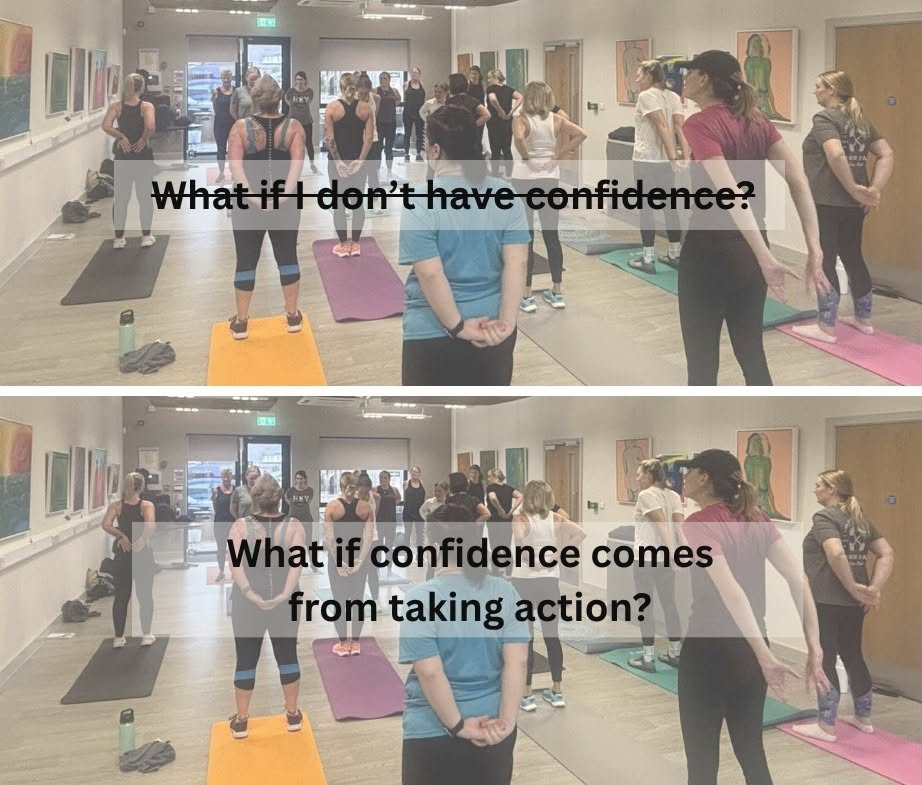
All-or nothing thinking is the belief that success requires perfect execution, and anything less means total failure.
Maybe we miss a workout and decide the whole week is ruined. Or perhaps we eat something outside our usual routine and feel we’ve somehow failed.
This way of thinking can turn positive intentions into rigid expectations, setting impossible standards and encouraging us to view progress in unrealistic extremes.
But wellbeing is a practice, not a destination. It’s about learning to support ourselves flexibly, particularly when life doesn’t go to plan.
When Information Becomes Overwhelming
Health and wellness advice is everywhere. From social media trends and fitness challenges to diets and productivity routines, we’re constantly exposed to new ways to optimise our lives.
Whilst access to information can be helpful, conflicting advice can leave us questioning our choices or feeling that we’re never doing enough.
Sometimes, rather than searching for another answer, it helps to focus on small, achievable actions that genuinely make a positive difference to our lives.
Wellbeing Doesn’t Happen in Isolation
It’s easy to talk about healthy habits as though everyone has the same opportunities to practise them. However, our wellbeing is shaped by much more than individual choices.
Working patterns, financial pressures, caring responsibilities, relationships and access to safe spaces or supportive communities all influence what’s possible.
When wellbeing is presented through expensive gym memberships, picture-perfect meal preparation and elaborate morning routines, it risks excluding those whose circumstances, resources, or responsibilities make these expectations unrealistic.
Wellbeing should be accessible, not another measure by which we judge ourselves or others.
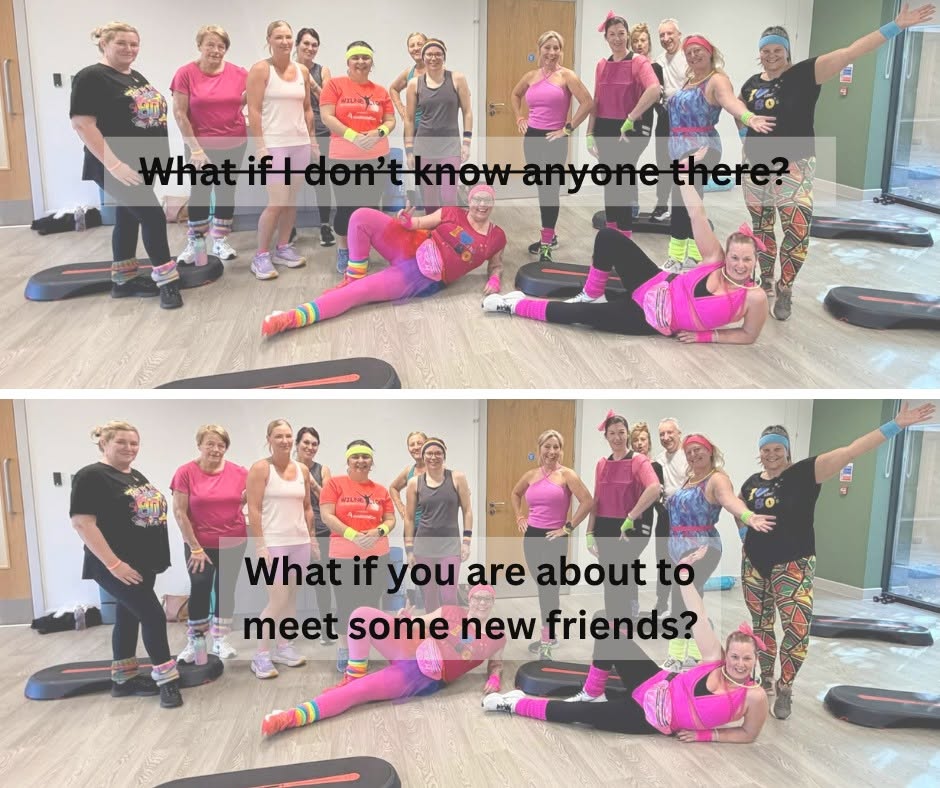
Genuine connection matters too. Spending time with supportive people, participating in community activities and feeling a sense of belonging can make an important contribution to our wellbeing.
Finding a More Flexible Approach
Rather than a complete lifestyle overhaul, a more manageable approach to wellbeing can begin with small, low-pressure adjustments.
Focus on what matters to you. Instead of following every recommendation, consider what would genuinely support your personal physical, mental, and emotional wellbeing.
Make room for flexibility. A shorter walk, a simple meal or an evening of rest can still be worthwhile. Our routines need to adapt as our circumstances change.
Look beyond individual habits. Social connection, creative activities and spending time outdoors can all contribute to wellbeing, without the need for rigid rules or routines.
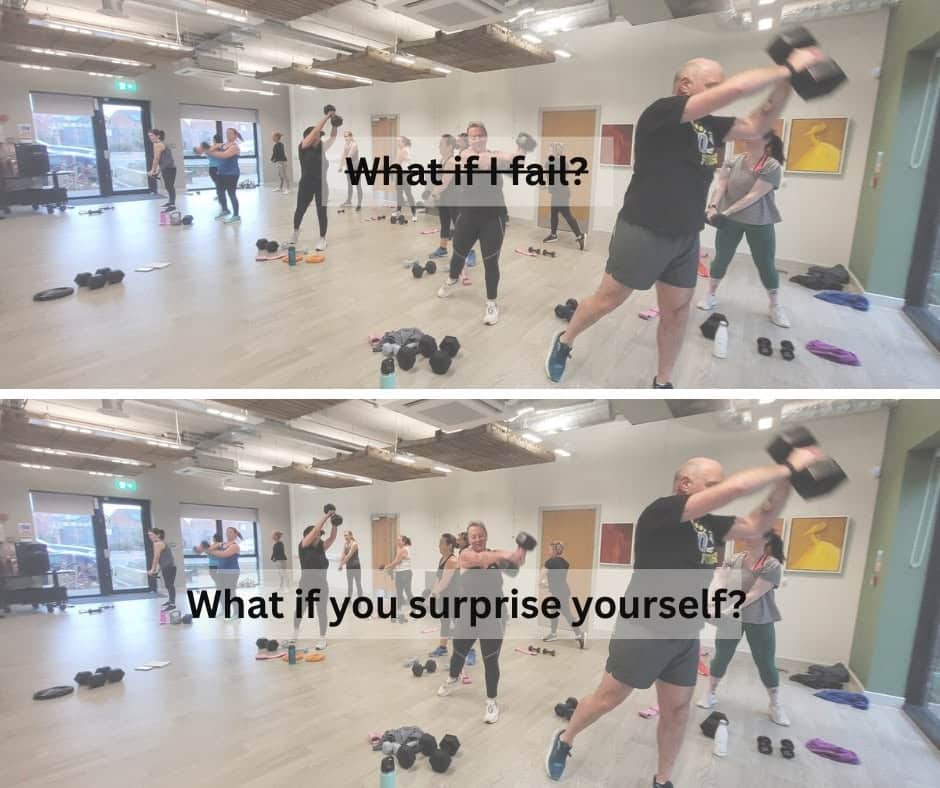
Choose curiosity over judgment. Rather than treating a missed routine as a personal failure, consider what got in the way and what might make things more realistic next time.
Wellbeing Should Support Your Life
Perhaps the most important shift is recognising that wellbeing doesn’t have to be another thing we strive to perfect.
It’s not a strict checklist or a routine we must follow to feel successful. It’s about finding a flexible balance that supports our physical, mental, and emotional health.
It’s about creating space for the things that help us feel healthier, happier, and more connected, whilst recognising that our circumstances and needs will change.
Because ultimately, wellbeing should support the life we’re living, not become another source of pressure within it.